
Search
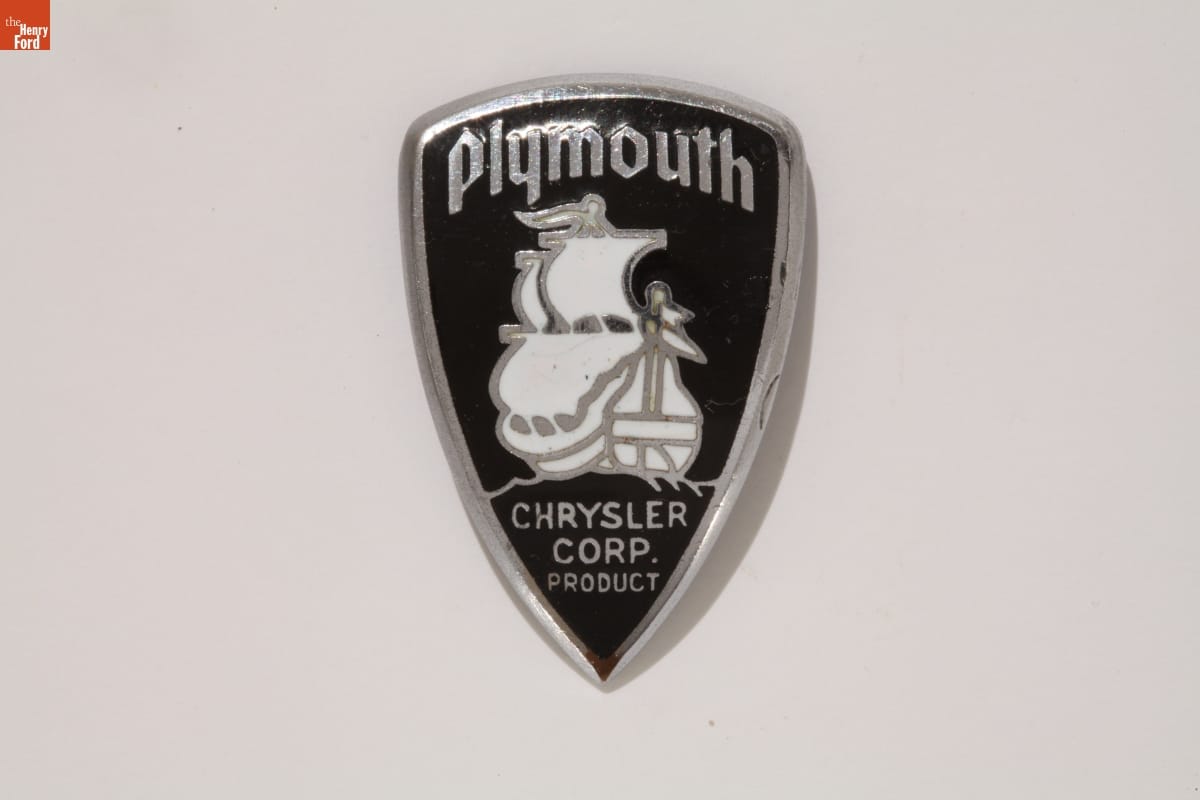
- Plymouth Radiator Emblem, circa 1935 - Chrysler Corporation formed its Plymouth Division in 1928. Low-priced Plymouth models competed directly with cars from Ford and Chevrolet. For many years, Plymouth's logo featured an illustration of the <em>Mayflower</em>, the ship that carried the Pilgrims from England to the Plymouth Colony in Massachusetts. DaimlerChrysler discontinued the Plymouth brand in 2001.
- circa 1935
- Collections - Artifact
Plymouth Radiator Emblem, circa 1935
Chrysler Corporation formed its Plymouth Division in 1928. Low-priced Plymouth models competed directly with cars from Ford and Chevrolet. For many years, Plymouth's logo featured an illustration of the Mayflower, the ship that carried the Pilgrims from England to the Plymouth Colony in Massachusetts. DaimlerChrysler discontinued the Plymouth brand in 2001.
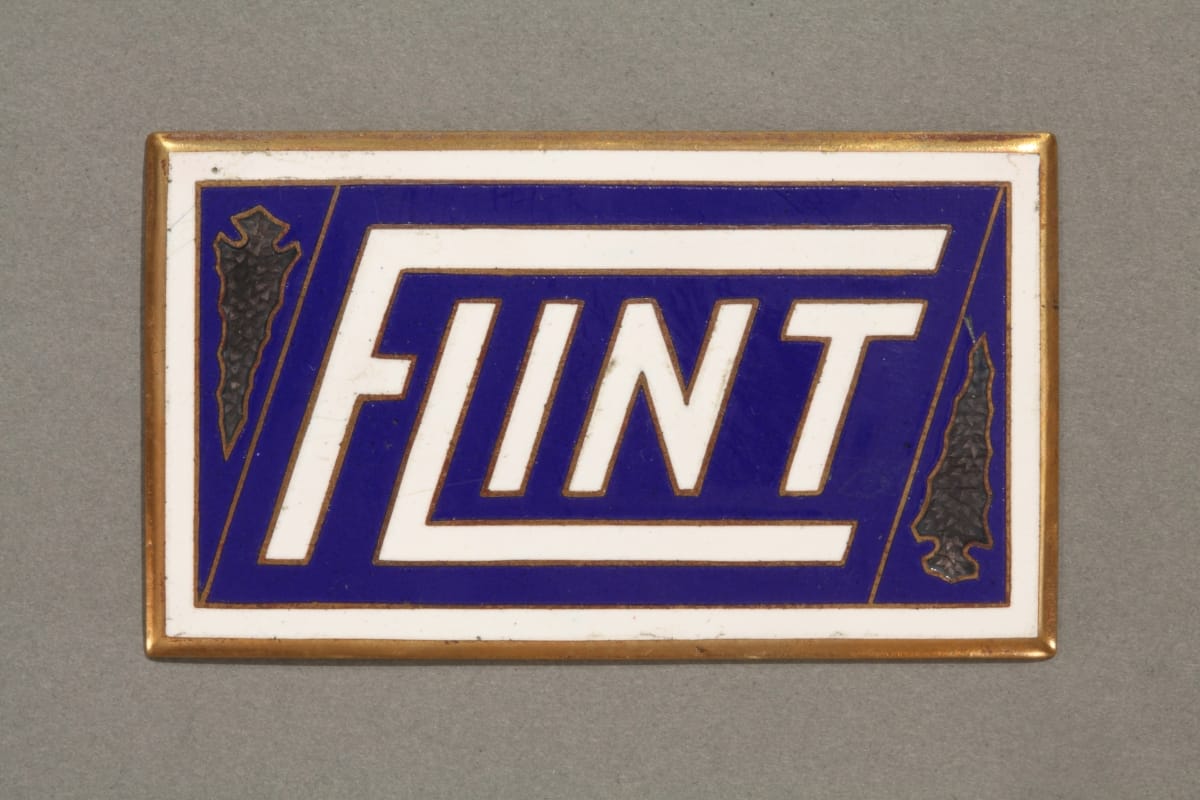
- Flint Automobile Emblem, circa 1920 - This Flint emblem combined the angular lettering of the company's name with two stylized flint stones. Flint Motors was a division of Durant Motors. Closely modeled on General Motors, Durant offered a range of brands at different price points. The six-cylinder Flint was Durant's answer to Buick and sold at comparable prices. Assembly began in 1923 and continued until 1927.
- circa 1920
- Collections - Artifact
Flint Automobile Emblem, circa 1920
This Flint emblem combined the angular lettering of the company's name with two stylized flint stones. Flint Motors was a division of Durant Motors. Closely modeled on General Motors, Durant offered a range of brands at different price points. The six-cylinder Flint was Durant's answer to Buick and sold at comparable prices. Assembly began in 1923 and continued until 1927.
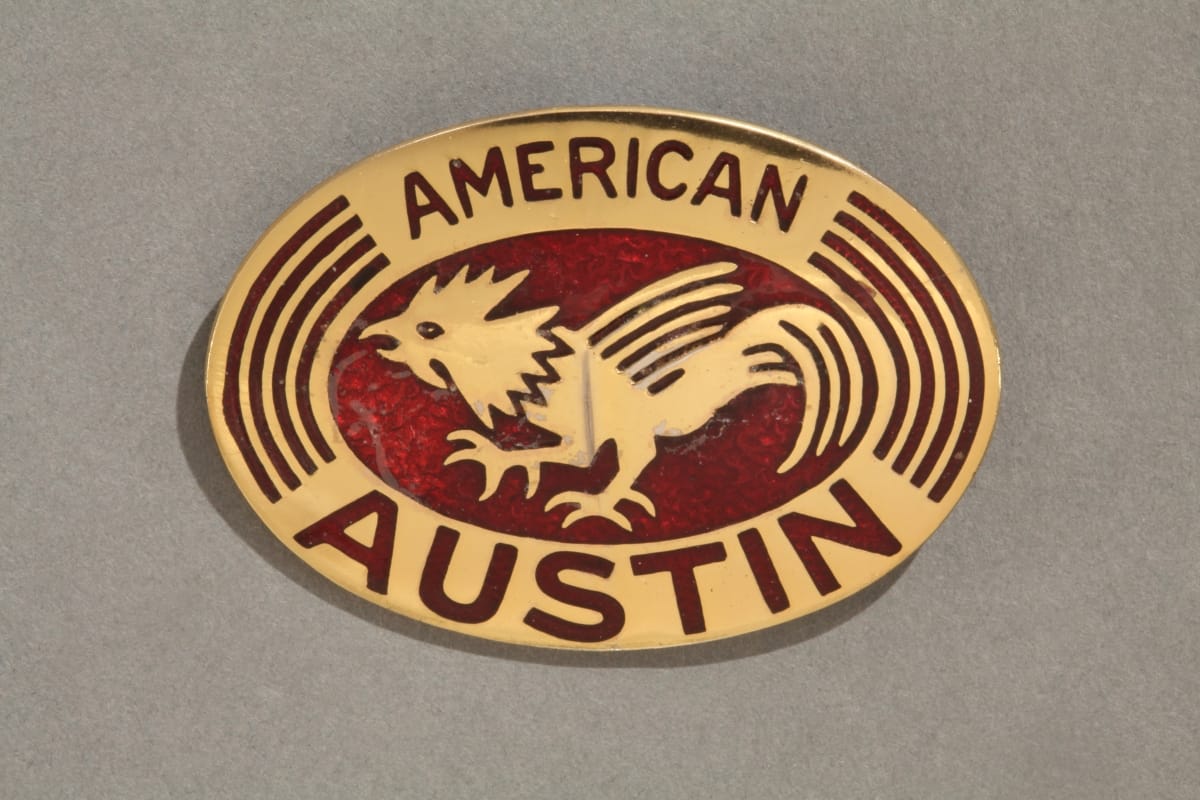
- American Austin Automobile Emblem, circa 1930 - Formed in 1929, American Austin built automobiles in Butler, Pennsylvania, under license from Great Britain's Austin Motor Company. Sales of the little four-cylinder cars were encouraging at first, but the deepening Great Depression forced American Austin into bankruptcy in 1934. Its assets were acquired by American Bantam Car Company, which continued production until 1941.
- circa 1930
- Collections - Artifact
American Austin Automobile Emblem, circa 1930
Formed in 1929, American Austin built automobiles in Butler, Pennsylvania, under license from Great Britain's Austin Motor Company. Sales of the little four-cylinder cars were encouraging at first, but the deepening Great Depression forced American Austin into bankruptcy in 1934. Its assets were acquired by American Bantam Car Company, which continued production until 1941.
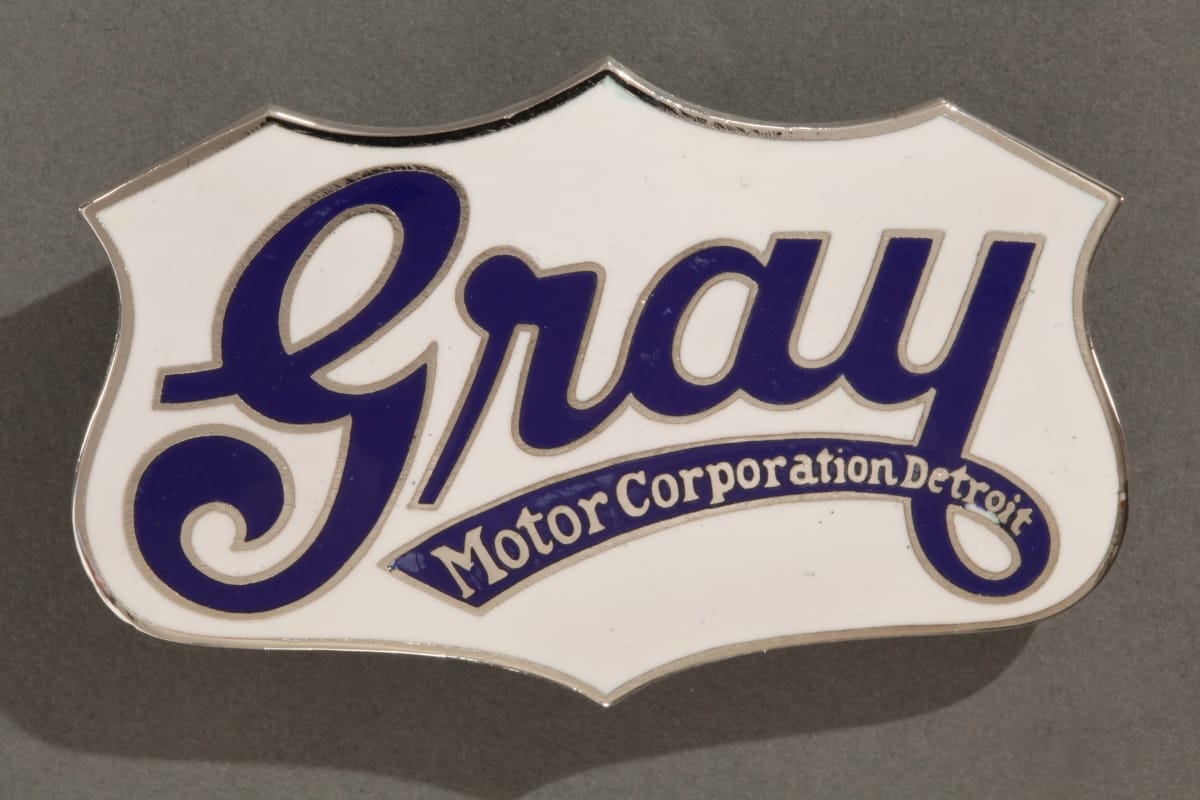
- Gray Automobile Emblem, circa 1930 - Early automobile manufacturers took advantage of the prominent location of radiators and affixed branded emblems to them. As cars evolved and radiators were hidden within vehicle bodies, manufacturers retained this practice by branding hoods or grilles. Emblems remained important branding tools, but also became meaningful to consumers as statements about their cars and themselves.
- circa 1930
- Collections - Artifact
Gray Automobile Emblem, circa 1930
Early automobile manufacturers took advantage of the prominent location of radiators and affixed branded emblems to them. As cars evolved and radiators were hidden within vehicle bodies, manufacturers retained this practice by branding hoods or grilles. Emblems remained important branding tools, but also became meaningful to consumers as statements about their cars and themselves.
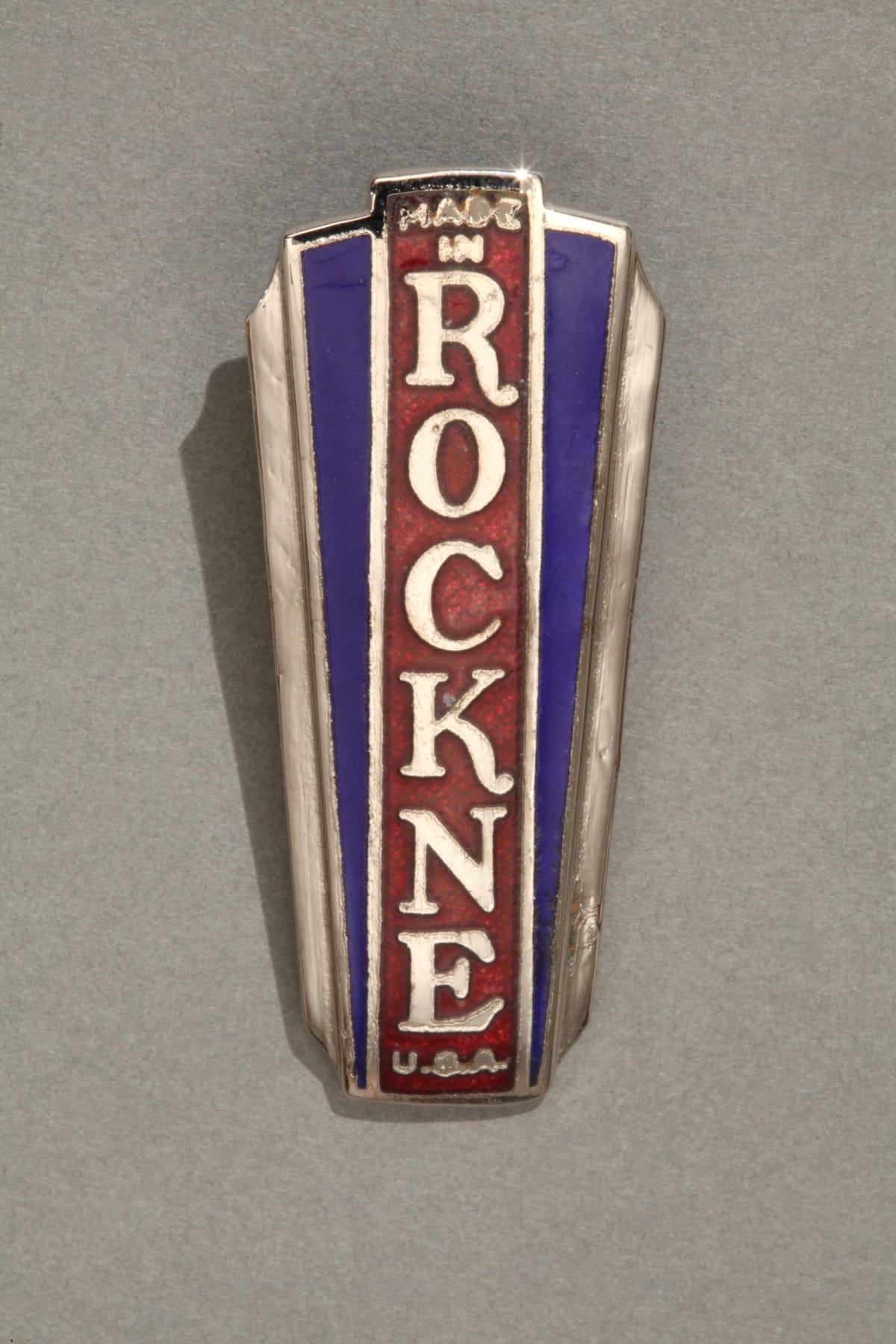
- Rockne Radiator Emblem, circa 1930 - Studebaker introduced its Rockne automobile brand for 1932. The car was named for famous Notre Dame football coach Knute Rockne, who had died in an airplane crash in 1931. The six-cylinder Rockne was well built and affordably priced, but the Great Depression hurt sales. Studebaker canceled the Rockne line in 1933.
- circa 1930
- Collections - Artifact
Rockne Radiator Emblem, circa 1930
Studebaker introduced its Rockne automobile brand for 1932. The car was named for famous Notre Dame football coach Knute Rockne, who had died in an airplane crash in 1931. The six-cylinder Rockne was well built and affordably priced, but the Great Depression hurt sales. Studebaker canceled the Rockne line in 1933.
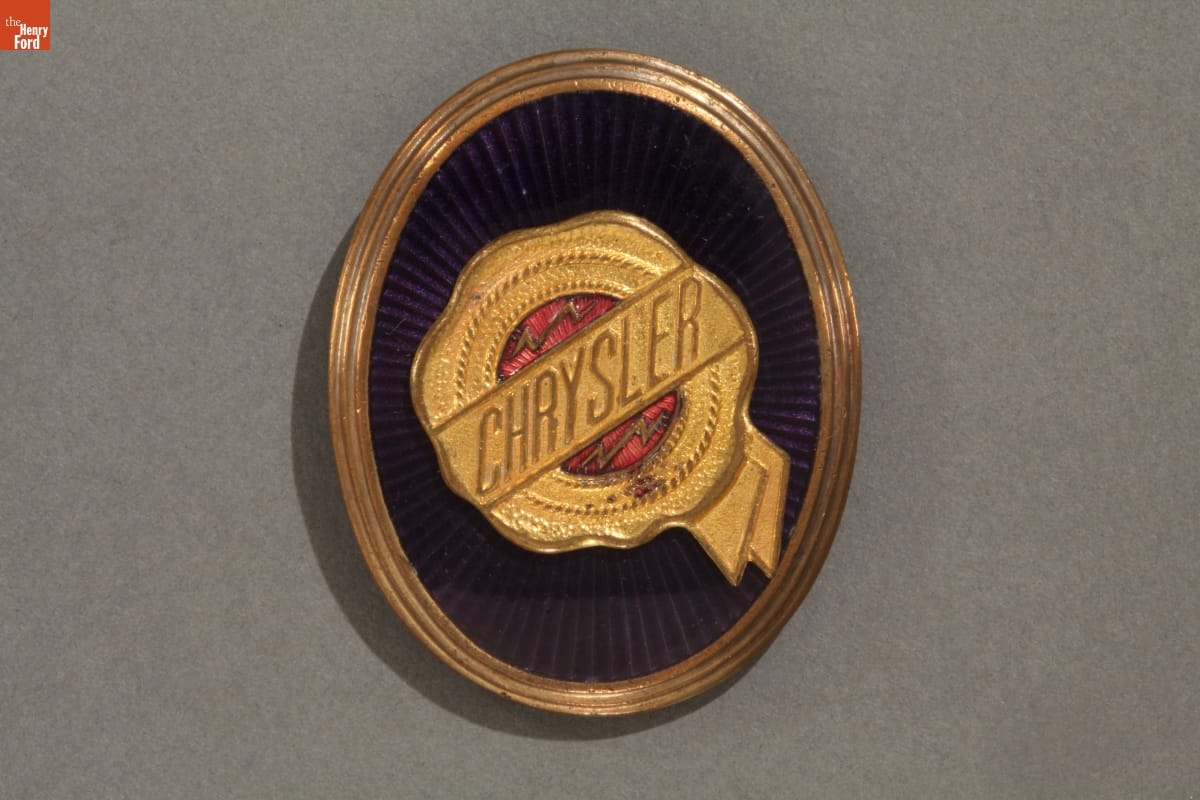
- Chrysler Automobile Emblem, circa 1929 - An automobile manufacturer's badge is fundamental to the company's brand identity -- just as the maker's name is often important to <EM>our</EM> identity as consumers and drivers. Early automobile badges tended to be small and often discreetly located; today they have evolved into enlarged, prominently placed, and frequently symmetrical logos -- easy to recognize, even at a glance in a rear-view mirror.
- circa 1929
- Collections - Artifact
Chrysler Automobile Emblem, circa 1929
An automobile manufacturer's badge is fundamental to the company's brand identity -- just as the maker's name is often important to our identity as consumers and drivers. Early automobile badges tended to be small and often discreetly located; today they have evolved into enlarged, prominently placed, and frequently symmetrical logos -- easy to recognize, even at a glance in a rear-view mirror.
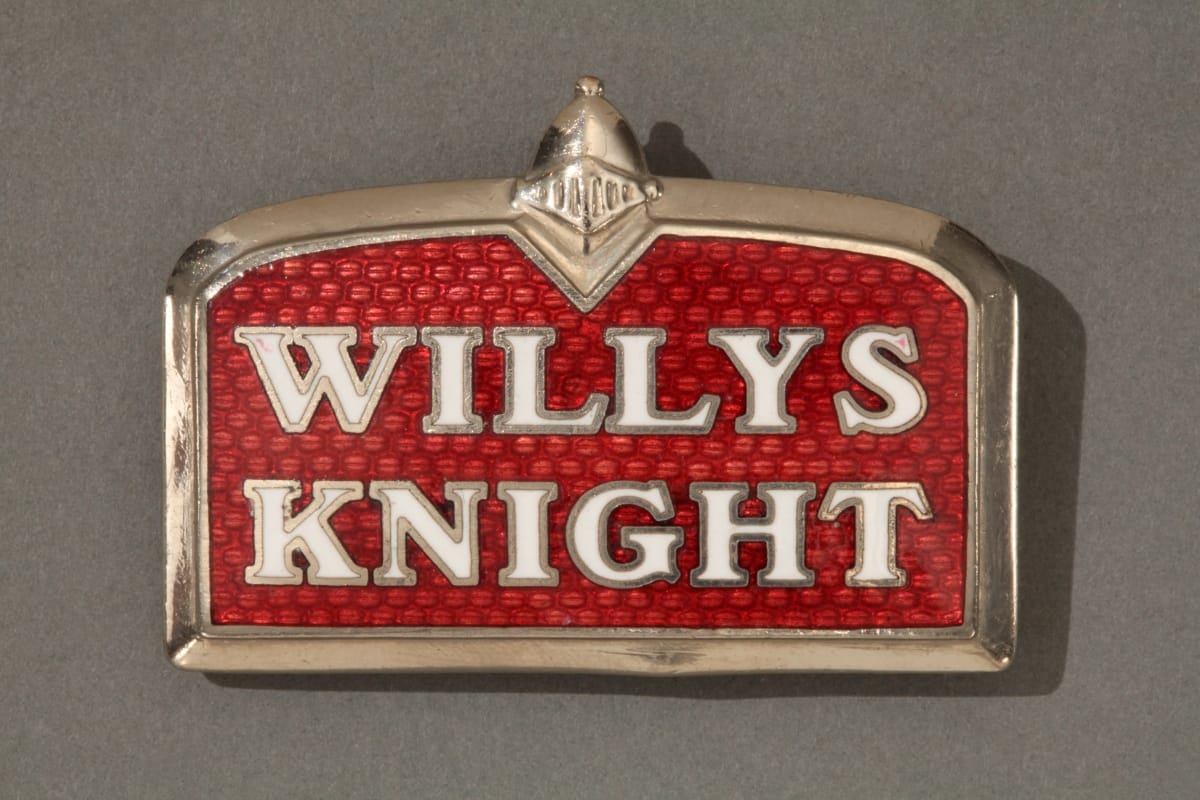
- Willys-Knight Radiator Emblem, circa 1928 - Willys-Overland introduced the mid-priced Willys-Knight for 1914. Willys-Knight cars used sleeve-valve engines throughout their 19-year production run. Unlike common poppet valves operated by cams and springs, sleeve valves sit inside the cylinders -- forming "sleeves" around the pistons -- and work via sliding or rotating motion. They make for a quieter engine, but they consume more oil.
- circa 1928
- Collections - Artifact
Willys-Knight Radiator Emblem, circa 1928
Willys-Overland introduced the mid-priced Willys-Knight for 1914. Willys-Knight cars used sleeve-valve engines throughout their 19-year production run. Unlike common poppet valves operated by cams and springs, sleeve valves sit inside the cylinders -- forming "sleeves" around the pistons -- and work via sliding or rotating motion. They make for a quieter engine, but they consume more oil.